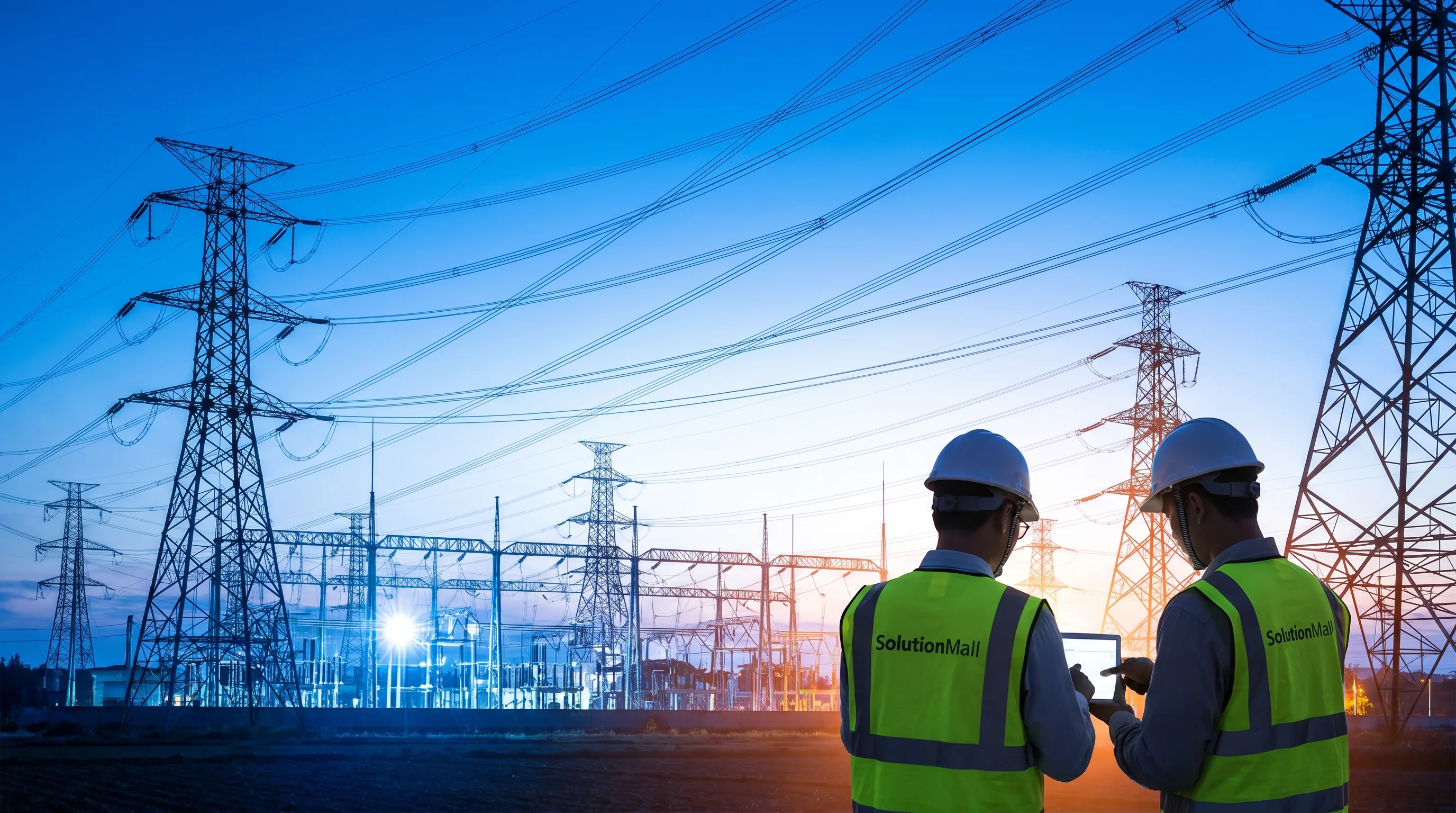
The complete system guide to power cable selection, application scenarios, and engineering solutions — from voltage classification to industry-specific deployment.
Power cables are not merely conductors — they are the critical infrastructure that determines the stability, safety, and continuity of your entire electrical system.
In construction, industry, energy, transportation, and municipal engineering, power cables form the "energy pathway" from the power source to terminal equipment — spanning the entire process of power supply, distribution, control, and protection.
Every element matters: voltage matching, load capacity, installation method, fire safety, grounding systems, and cable accessories. A failure in any one area can cause system failure or major safety incidents.
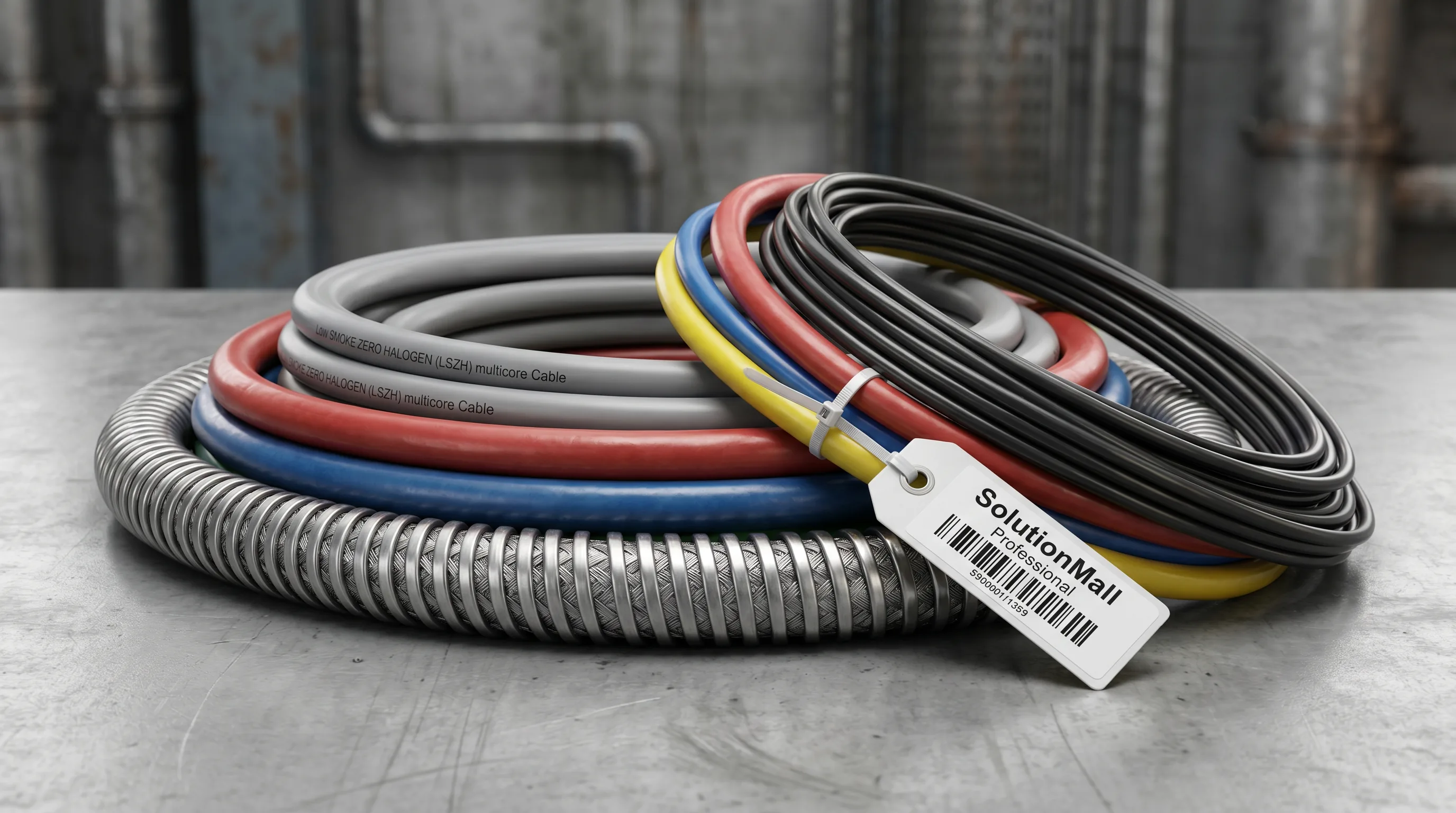
Cable quality directly determines power supply reliability. Insulation failure, overload, and aging lead to system downtime.
Fire resistance ratings and flame retardancy directly impact personnel safety. Non-compliant cables fail project acceptance.
Quality cables reduce maintenance frequency. Poor cables lead to frequent replacement and hidden costs far exceeding the purchase price.
Conductor material and cross-section directly affect energy consumption. Long-term operating losses can far exceed procurement costs.
Critical in data centers, hospitals, industrial lines, and transport systems. Power interruption losses far exceed cable value.
Power cables are classified by voltage level, application scenario, performance characteristics, and structural type — each system serving a specific engineering purpose.
The most widely used cable type for building electrical systems, commercial facilities, and light industrial applications. Suitable for indoor and outdoor installation in cable trays, conduits, or direct burial.
Designed for primary power distribution in industrial parks, large commercial complexes, and utility infrastructure. Requires specialized installation and termination expertise.
High-rise buildings, shopping malls, hotels — requiring flame retardant, fire resistant, and LSZH cables.
Manufacturing plants, automation lines — requiring armored, oil-resistant, and EMI-shielded cables.
Solar and wind power systems — requiring UV-resistant, torsion-resistant, and weatherproof cables.
Underground mines — requiring explosion-proof, tensile-resistant, and heavy-duty mining cables.
Petrochemical facilities — requiring explosion-proof, corrosion-resistant, and flame-retardant cables.
Rail transit, airports, ports — requiring high-reliability, shielded, and LSZH cables.
Designed to prevent flame propagation along the cable. Classified by IEC 60332 into categories A, B, C, D based on bundle fire test performance.
IEC 60332-1/2/3 · GB/T 18380Maintains circuit integrity during fire. Critical for emergency power, fire alarms, and evacuation systems. Tested to IEC 60331.
IEC 60331 · BS 6387 · GB/T 19666Low Smoke Zero Halogen — emits minimal smoke and no toxic halogen gases when burning. Mandatory in data centers, hospitals, and public buildings.
IEC 60754 · IEC 61034 · EN 50267Designed for wet, submerged, or chemically aggressive environments. Features longitudinal water-blocking and specialized sheath materials.
IEC 60228 · IP68 · NEMA WC 71Steel wire or tape armored. Provides mechanical protection for direct burial, underground, or industrial environments with physical damage risk.
Fine-stranded conductors for repeated bending and movement. Used in cable carriers (drag chains), robotic arms, and mobile equipment.
Metallic braid or foil shield prevents electromagnetic interference. Essential for control systems, data centers, and sensitive equipment environments.
Single-core for high-current applications and flexible routing; multi-core for compact installations requiring multiple circuits in one cable.
Each industry has unique power requirements. Select your sector to explore tailored cable solutions, key risks, and recommended product types.
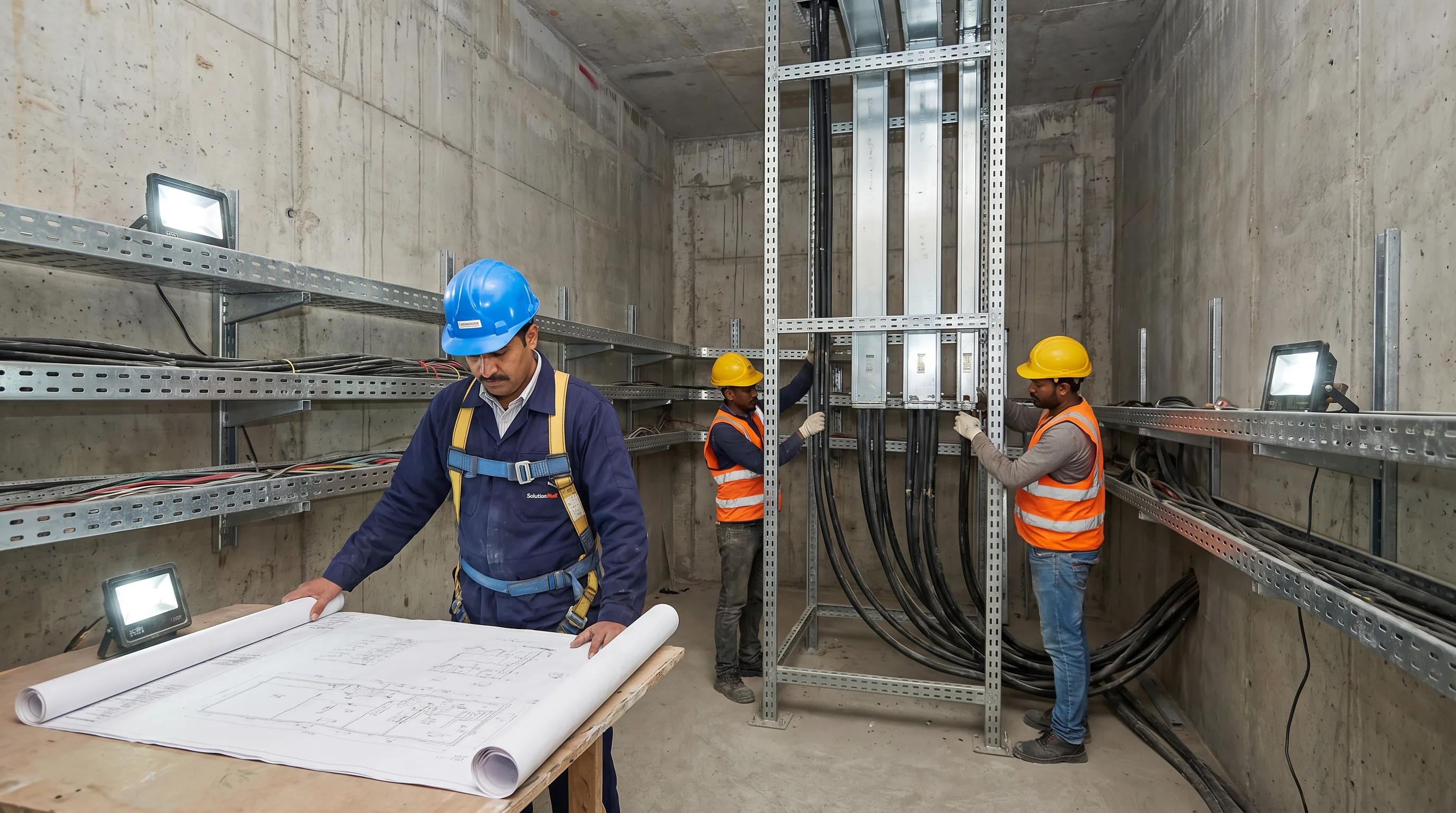 High-rise Building
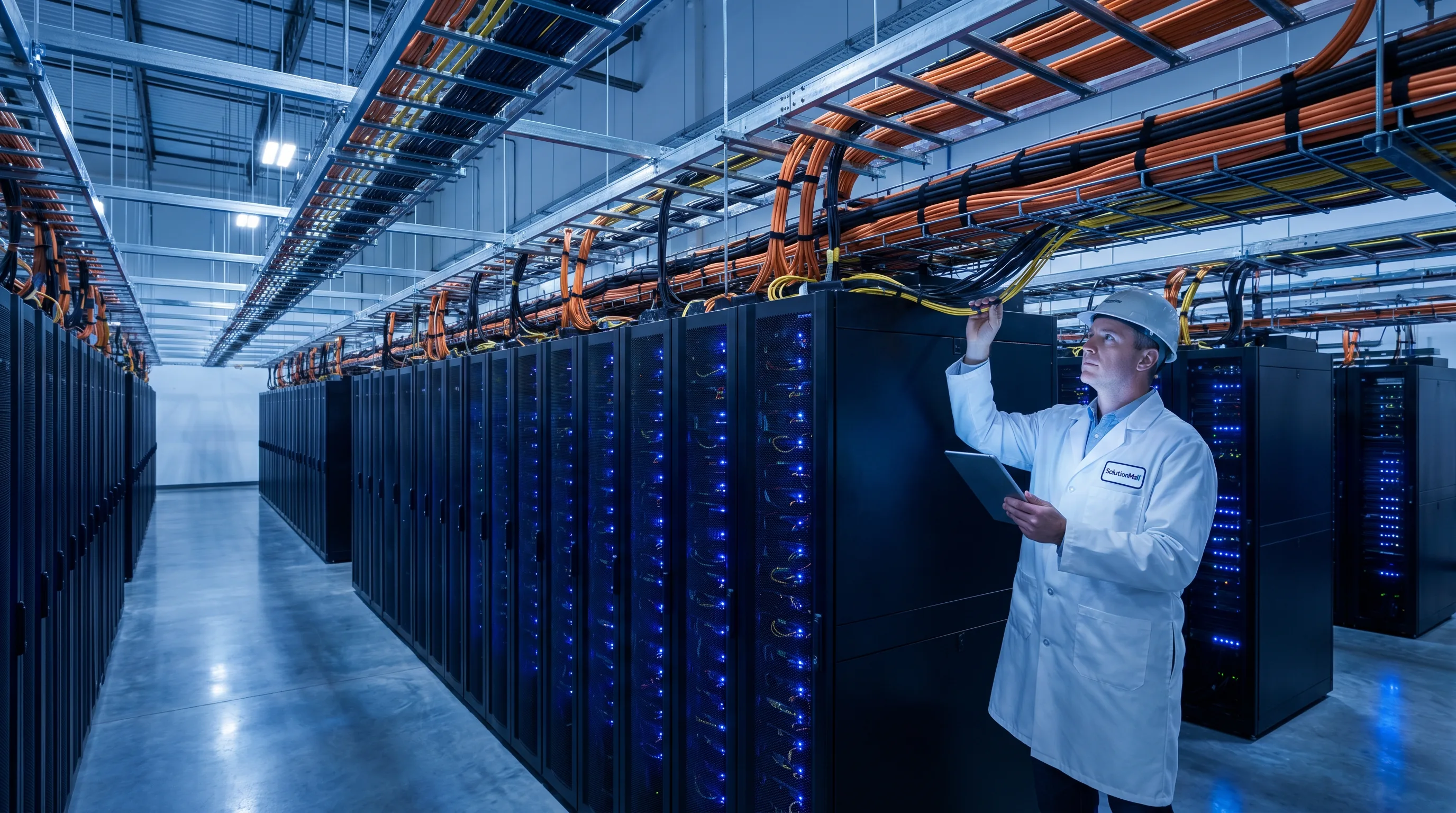 Data Center
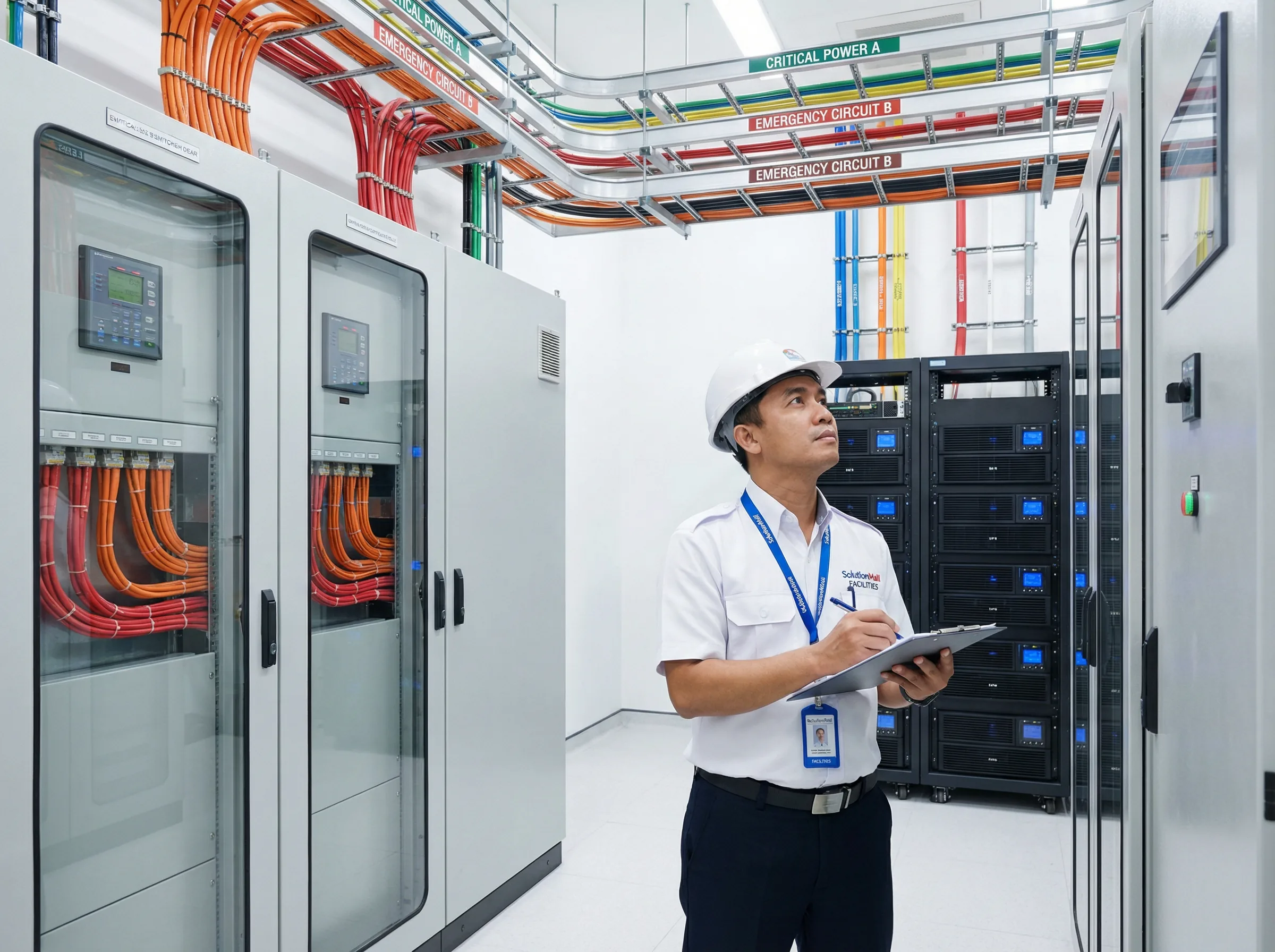 Hospital
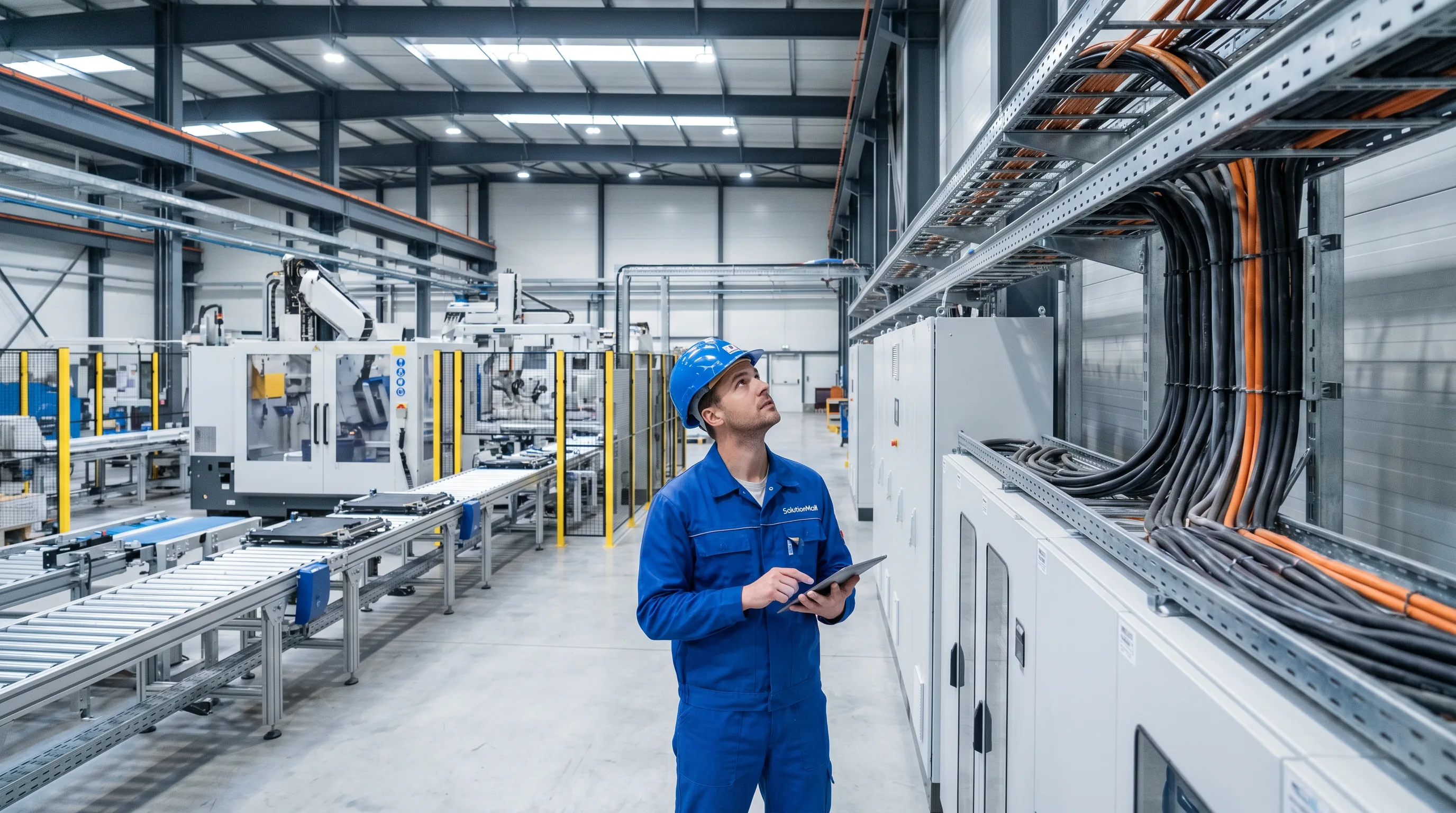 Manufacturing Plant
Automation
Manufacturing Plant
Automation
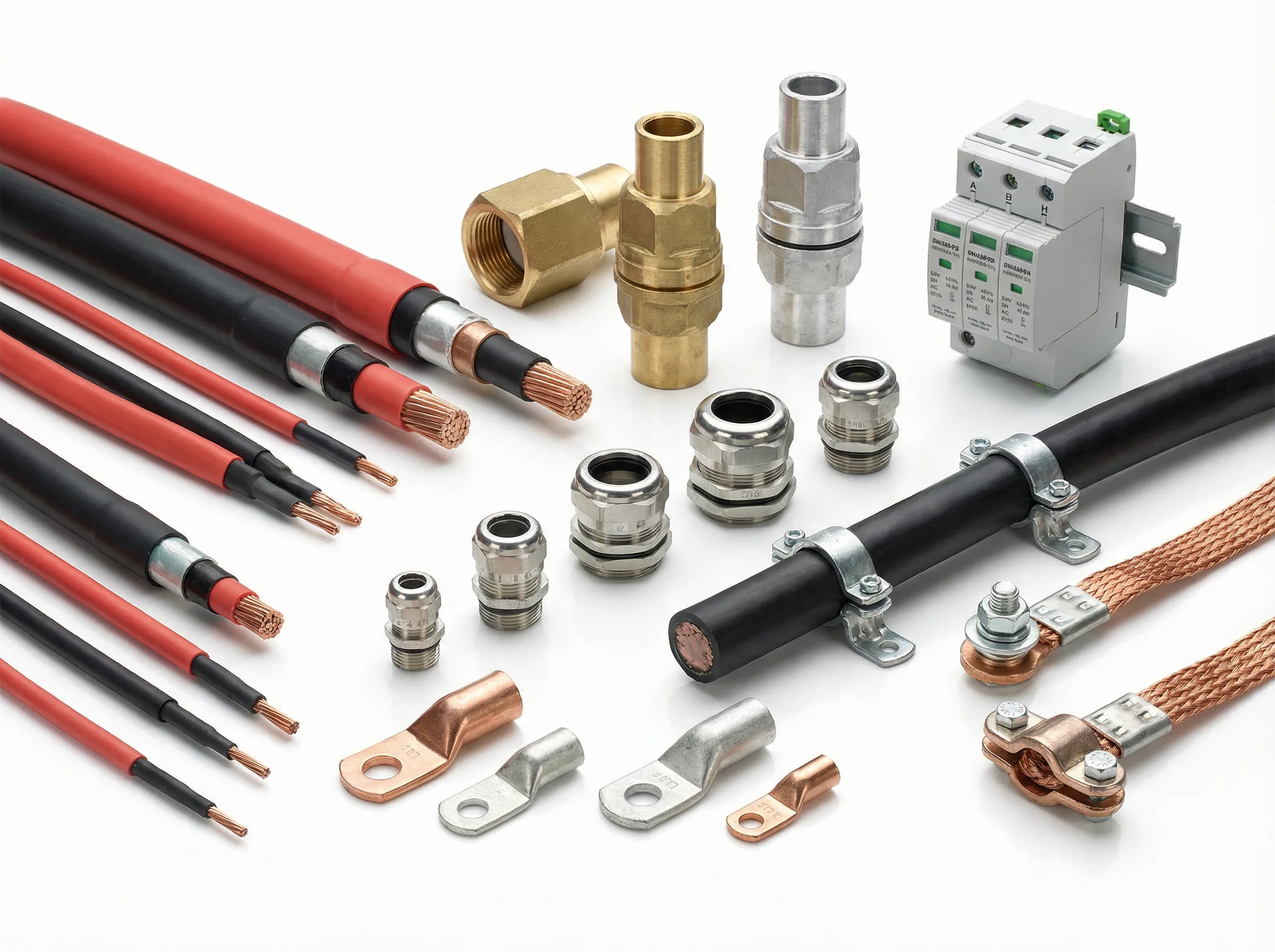 Cable Systems
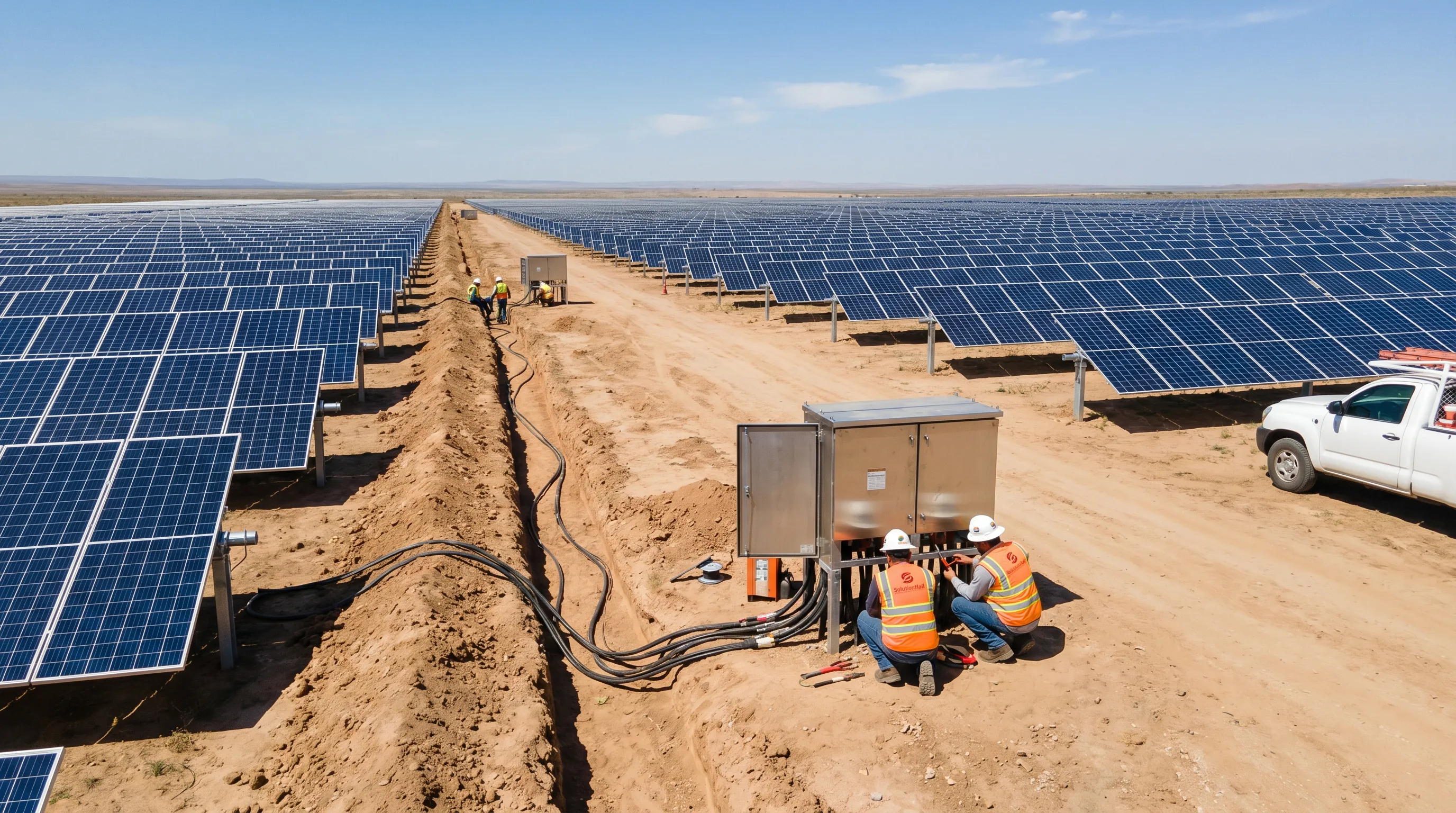 Solar Power
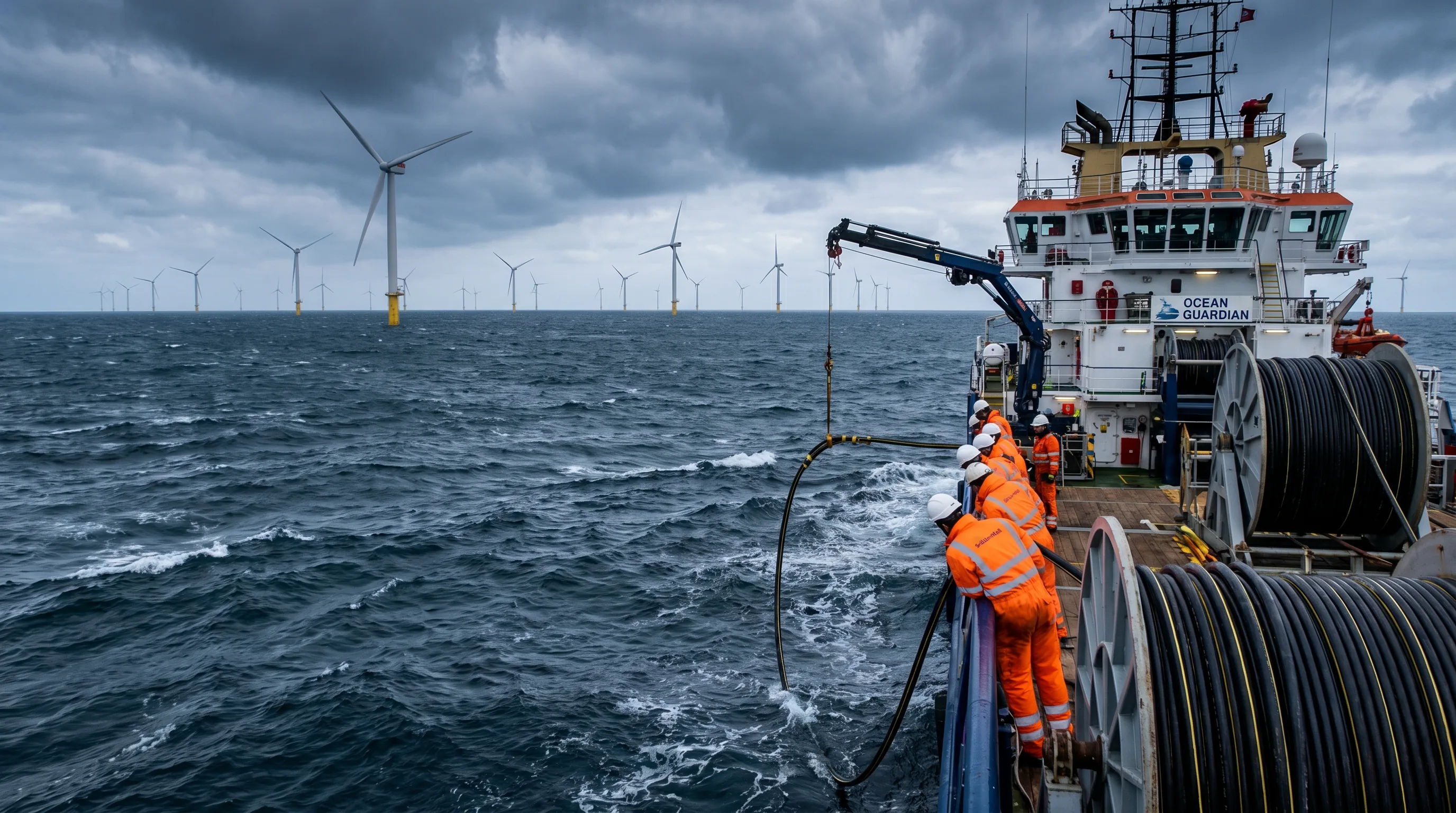 Wind Power
Energy Storage
Wind Power
Energy Storage
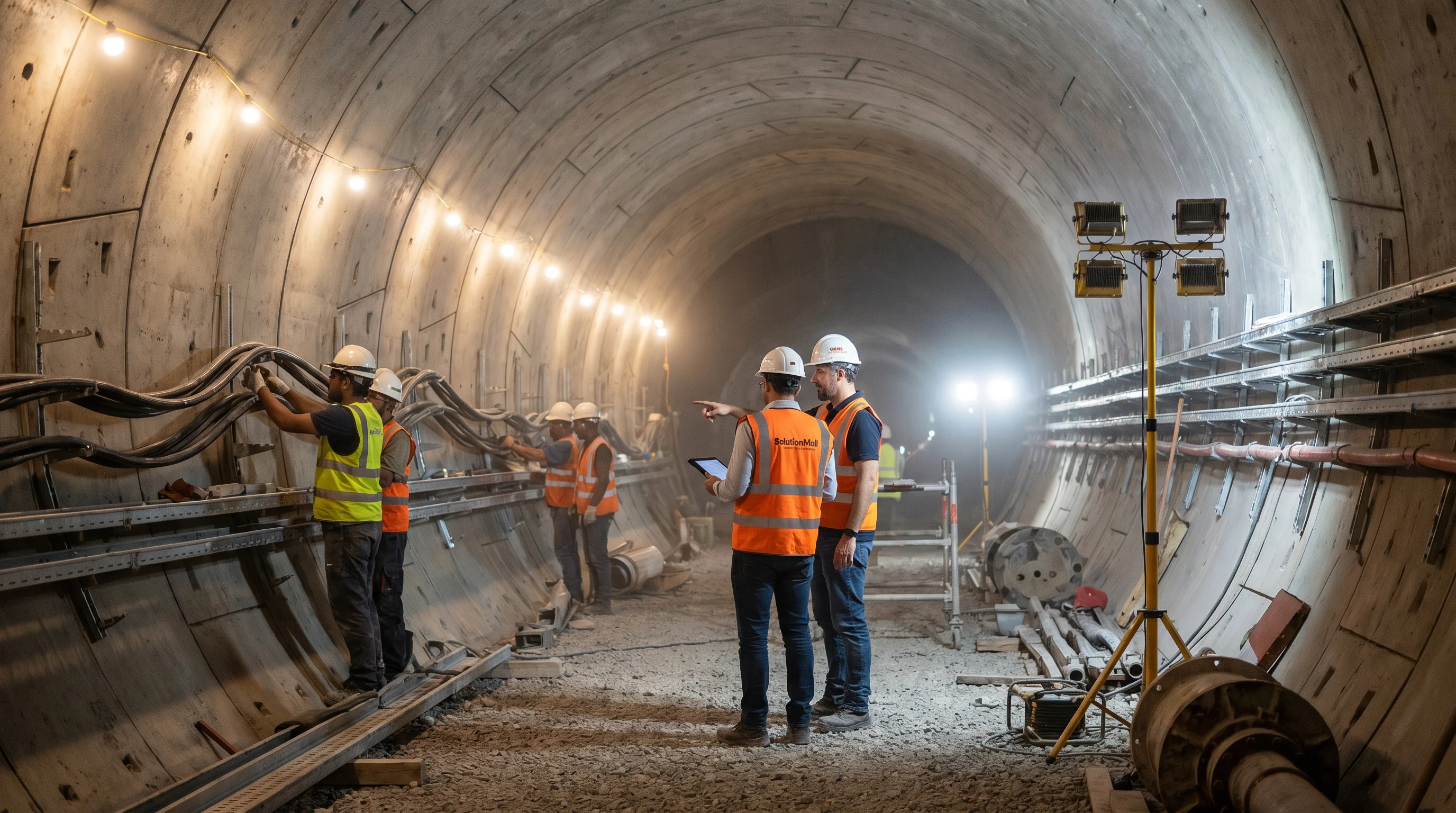 Rail Transit
Port Shore Power
Airport
Rail Transit
Port Shore Power
Airport
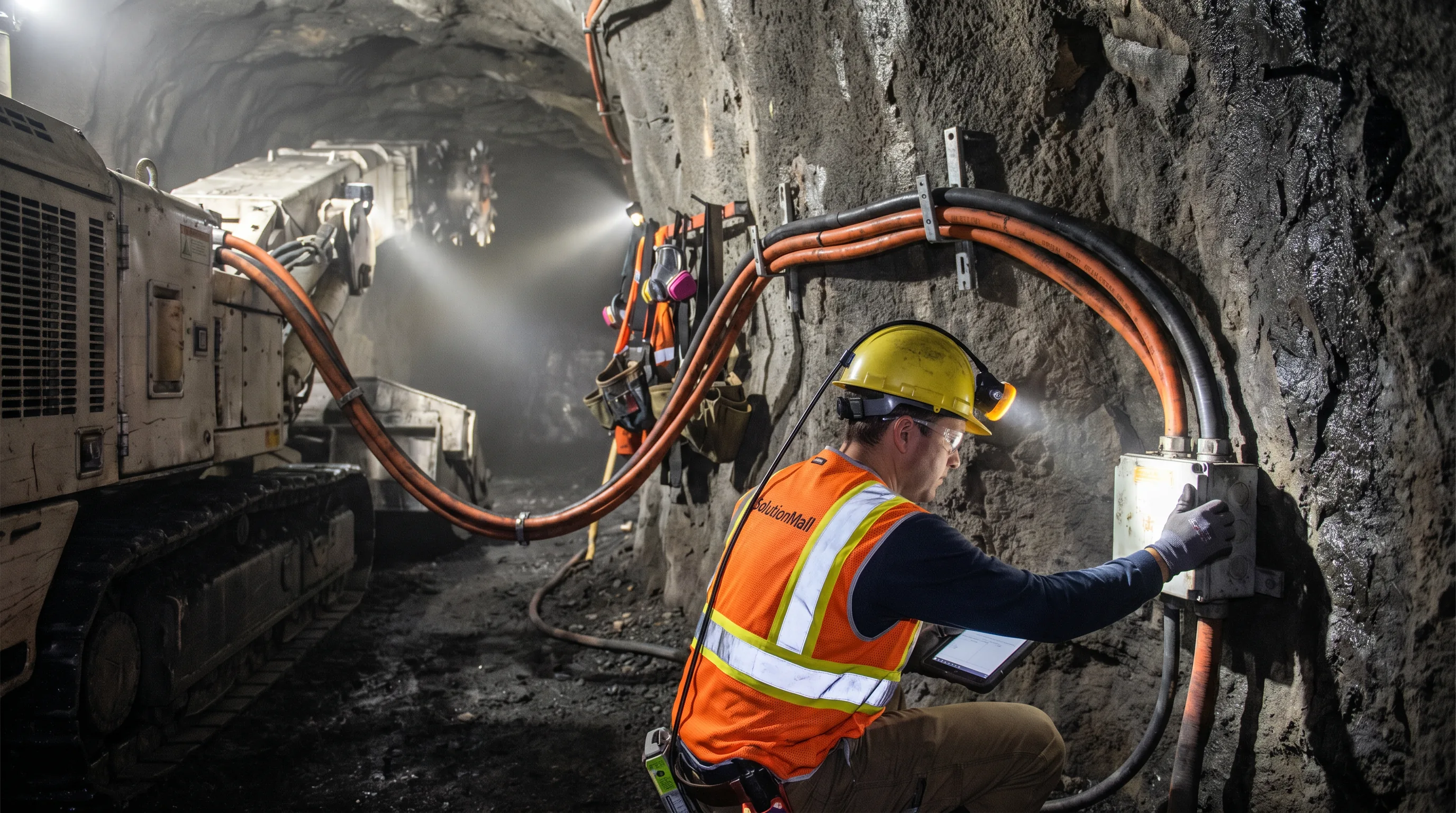 Mining
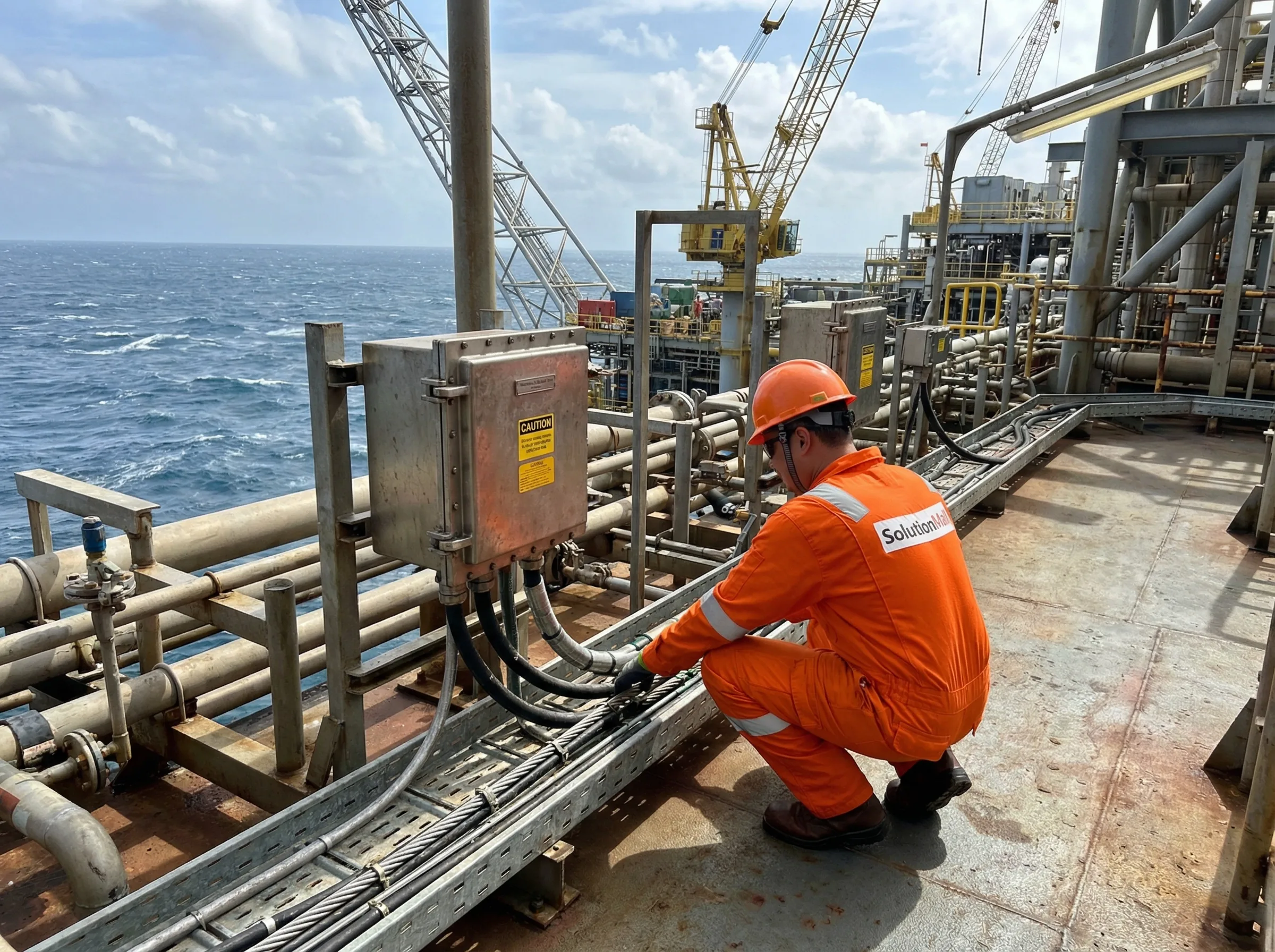 Oil & Gas
Marine
Oil & Gas
Marine
Cable selection must start from a systems perspective, not a single product. Follow this proven decision framework.
0.6/1kV for building and equipment systems; 3kV–35kV for campus and industrial primary distribution.
The scenario determines the performance requirements — fire safety, chemical resistance, UV protection, or explosion-proof ratings.
| Scenario | Cable Type | Key Reason |
|---|---|---|
| Data Center | LSZH + Shielded | Smoke-free + EMI protection |
| Hospital | Fire Resistant | Uninterrupted power |
| Factory | Armored + Oil-resistant | Mechanical + environmental |
| Solar | PV Cables | UV + high-temperature resistance |
| Mining | Mining Cables | Explosion-proof + tensile |
Environmental factors must be prioritized — temperature, humidity, chemical exposure, and mechanical stress all determine cable construction.
High temp → XLPE; Low temp → Flexible PVC
Wet → Waterproof; Submerged → Sealed special cable
Chemical → Anti-corrosion sheath; Marine → Salt-spray resistant
Direct burial → Armored; Heavy traffic → Reinforced construction
Ignores lifecycle cost. Procurement is only 20–30% of total cost. Maintenance and downtime losses are far greater.
Ignores environmental adaptation. A cable that meets specs on paper may fail in the actual installation environment.
Joint and termination problems account for over 60% of cable failures. Accessories are as critical as the cable itself.
Single-point optimization leads to overall system failure. Always design the complete cable system, not just individual cables.
Five professional tools for real-world cable engineering. Input your parameters and get instant results — cross-section sizing, voltage drop, ampacity, power loss, and short circuit analysis.
Determine the optimal cable cross-section based on load current, voltage, length, and installation method.
Calculate voltage drop along a cable run to ensure equipment receives adequate voltage.
Calculate maximum permissible current with IEC derating factors for temperature, grouping, and installation.
Quantify resistive losses, annual energy waste, and cost impact to optimize cable selection.
Calculate prospective fault current and verify cable thermal withstand capacity per IEC 60909.
All calculators are based on IEC standards. Results are for engineering reference only. Always verify with a qualified engineer for critical installations.
A reliable power cable system requires more than just cables. The complete ecosystem includes accessories, installation systems, protection, and monitoring.
Terminations, joints, and branch connectors ensure electrical continuity and prevent localized failures.
Cable trays, conduits, and support systems ensure organized, safe, and maintainable cable routing.
Grounding systems and surge protection devices (SPD) prevent electric shock and lightning damage.
Current, temperature, and load monitoring provides early warning and reduces fault probability.
Switchgear and distribution boards manage power allocation and system control.
Power cables determine the stability, safety, and continuity of the entire system. Cable problems are fundamentally system problems, not material problems.
Insulation aging, corrosion, and overheating have delayed effects. This is the greatest hidden risk of low-cost cables — problems that compound over time.
Procurement is only 30% of total cable lifecycle cost. Maintenance and downtime losses account for over 70%. One wrong selection pays for years.
Engineering experience shows cable body failures account for less than 40% of incidents. Joints, terminations, and grounding issues cause over 60% of failures.
Many clients mistakenly use more expensive cables as a substitute for proper system design. The correct approach: dual-circuit supply, zone distribution, and fault isolation.
The competitive advantage is not in the cable itself, but in the ability to deliver complete, reliable power systems — from design through commissioning.
From industrial plants to renewable energy, data centers to rail transit — explore our complete library of industry-specific power cable system solutions, each with detailed system architecture, product recommendations, and selection guidance.
Complete medium and low voltage cable systems for manufacturing plants, including motor feeders, control cables, and emergency power.
DC string cables, AC collection cables, and HV grid connection cables for utility-scale solar farms and rooftop PV systems.
Redundant N+1 power cable systems for Tier III/IV data centers with UPS, generator backup, and precision cooling power.
Traction power, signaling, and auxiliary cables for metro, light rail, and high-speed rail — fire-resistant and EMI-shielded.
Torsion-resistant tower cables, inter-array submarine cables, and offshore HV export cables for onshore and offshore wind farms.
Fire-resistant riser cables, busbar trunking, and emergency power systems for super-tall buildings above 100 meters.
Explosion-proof, mud-resistant cables for offshore platforms, refineries, and petrochemical plants in hazardous areas.
Trailing cables, dragline cables, and shaft cables for underground coal mines, metal mines, and tunnel boring machines.
Medical-grade LSZH cables, IT-system isolated power, and emergency generator systems for hospitals and medical facilities.
High-current DC charging cables, underground distribution, solar PV integration, and V2G smart grid cables for EV charging networks.
Tell us about your project requirements and our engineering team will provide tailored cable system recommendations, selection guidance, and technical support.
